
Why Every Photoshoot Needs an Art Director, Not Just a Photographer
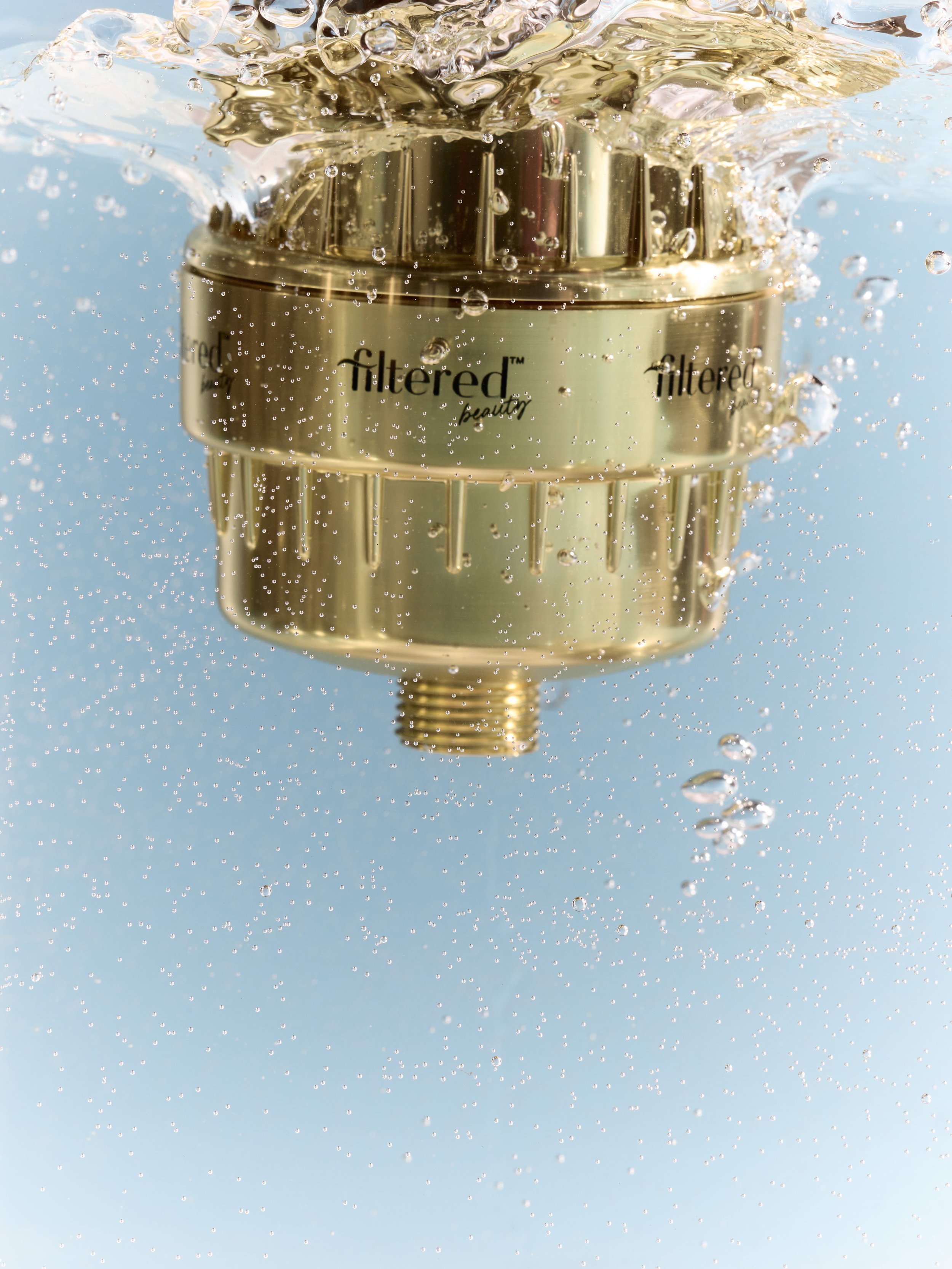
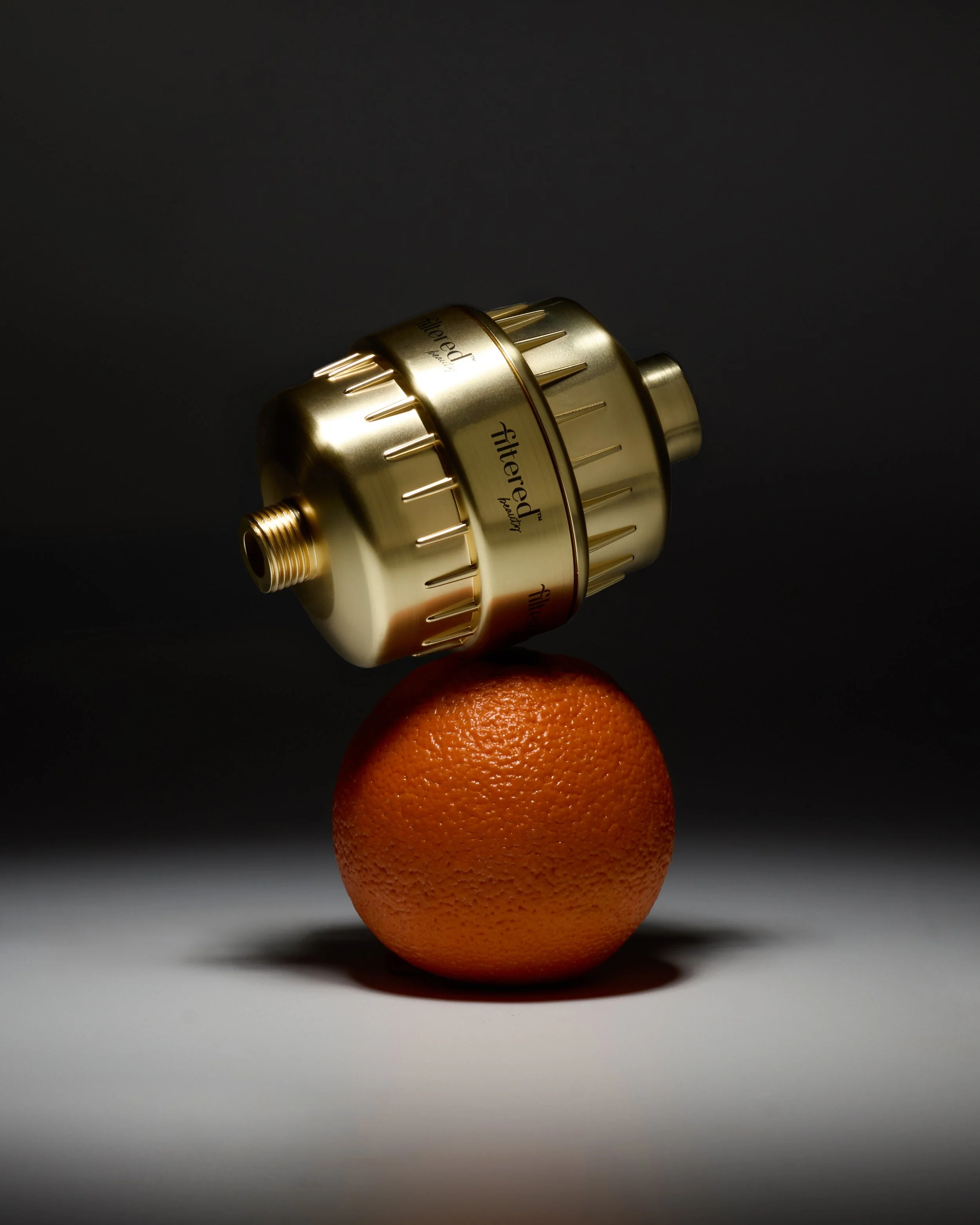
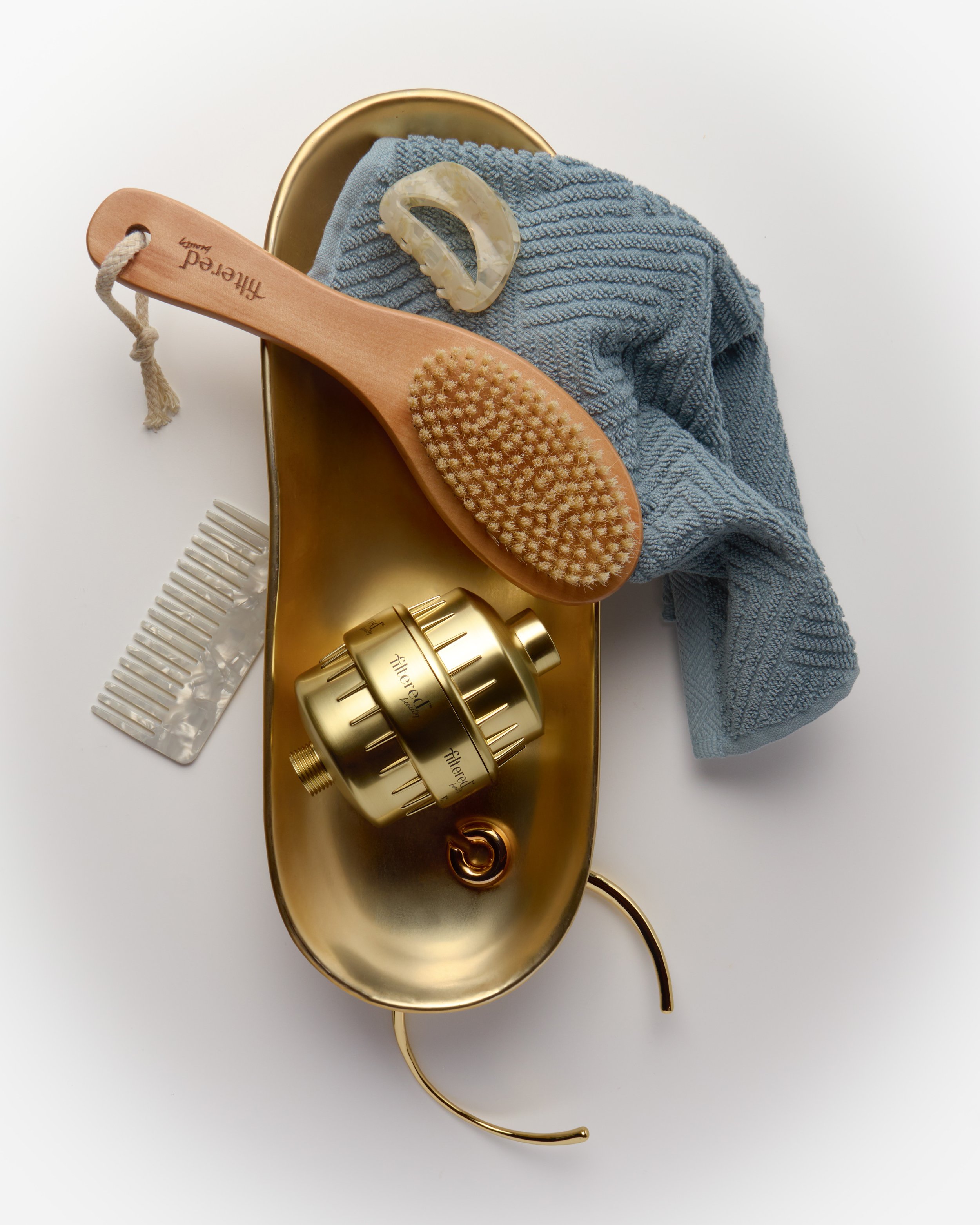
Most people picture a photoshoot as the day itself. Lights, camera, someone directing "a little to the left." That's the visible 10%. The other 90% happens before anyone picks up a camera, and it's the part that actually determines whether the final images work or just look nice.
That invisible 90% is art direction. And if you're a brand founder who's ever paid for a beautiful shoot that somehow didn't land, didn't convert, didn't feel like you, the missing piece was almost certainly here, not in the lighting.
Photography without art direction is just documentation
A photographer without a creative director on set can make your product look sharp, well-lit, technically correct. What they can't do, not reliably, is make it mean something.
Meaning comes from decisions made before the shoot: what story is this image telling, who is it telling it to, what does the brand believe, and how does every prop, surface, and angle argue that point. Without those decisions made deliberately, a shoot defaults to "make it look nice," and nice is forgettable. The internet is full of technically competent, conceptually empty product photography. It photographs well. It sells nothing.
Art direction is the discipline of making sure a shoot has a point before it has a camera.
What actually happens in the research phase
This is the part clients rarely see, and it's where most of the real work lives.
Understanding the brand, not just the brief. Before any visual decisions get made, the real question is what does this brand believe, who is it for, and what does it want someone to feel. A brief tells you what to shoot. Research tells you why.
Building a visual language. This means gathering reference, not to copy, but to understand the visual world the brand should live in. Colour, texture, era, mood, the accumulated references that start forming a coherent point of view rather than a random collection of "inspo."
Developing the narrative. Every strong shoot has a story underneath it, even a subtle one. What's the moment being captured? What happens right before this frame, and right after? A shoot with a narrative behind it produces images that feel inevitable. A shoot without one produces images that feel arranged.
Translating story into set design. Only once the narrative exists does prop styling and set design make sense. Every object in frame should be there because it serves the story, not because it looked good on a mood board in isolation.
This is the work that happens in the days and weeks before a shoot, often before the client even sees a moodboard. It's slower, less glamorous, and it's the reason the actual shoot day tends to run smoothly, because by the time the camera comes out, every decision has already been made with intention.
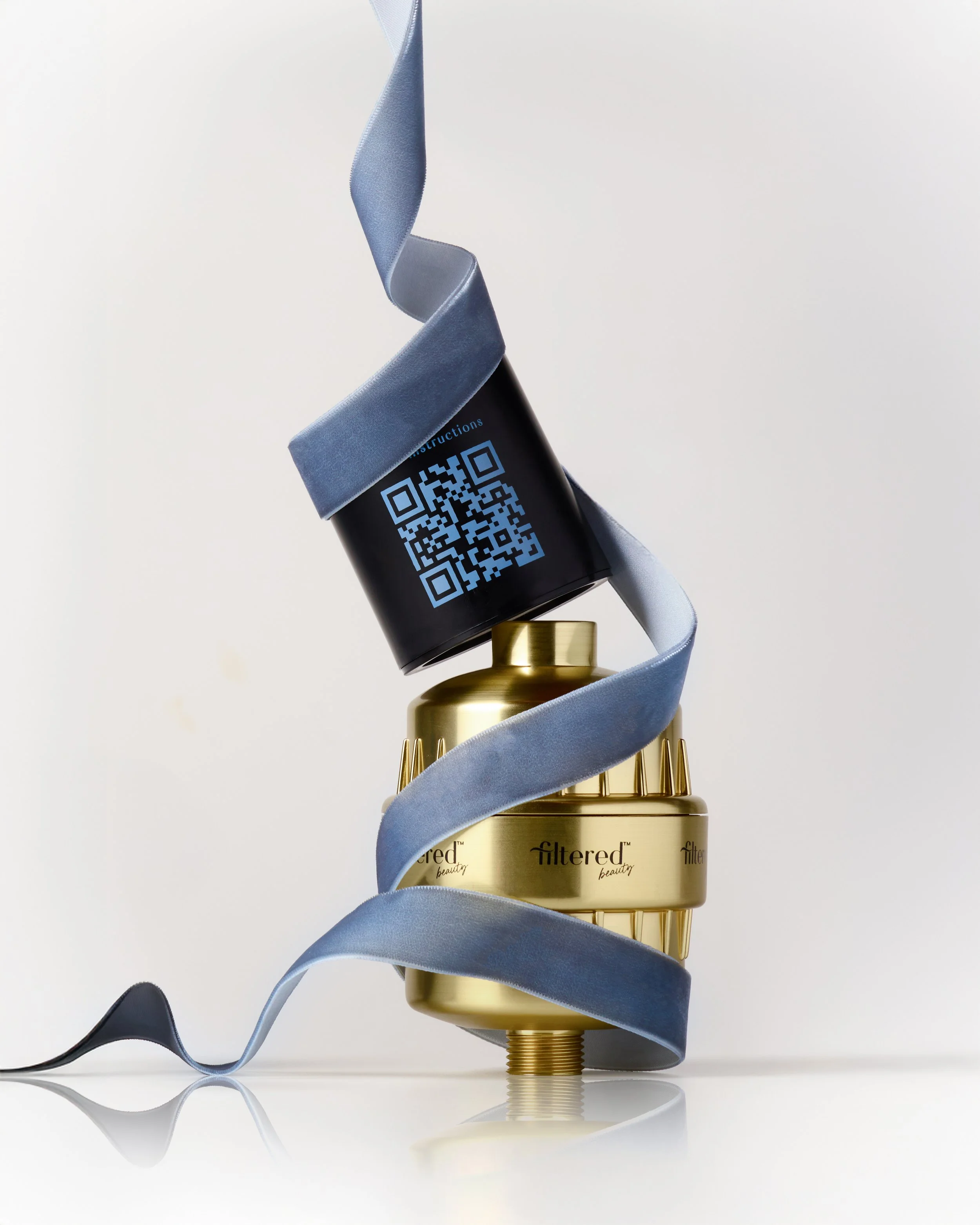
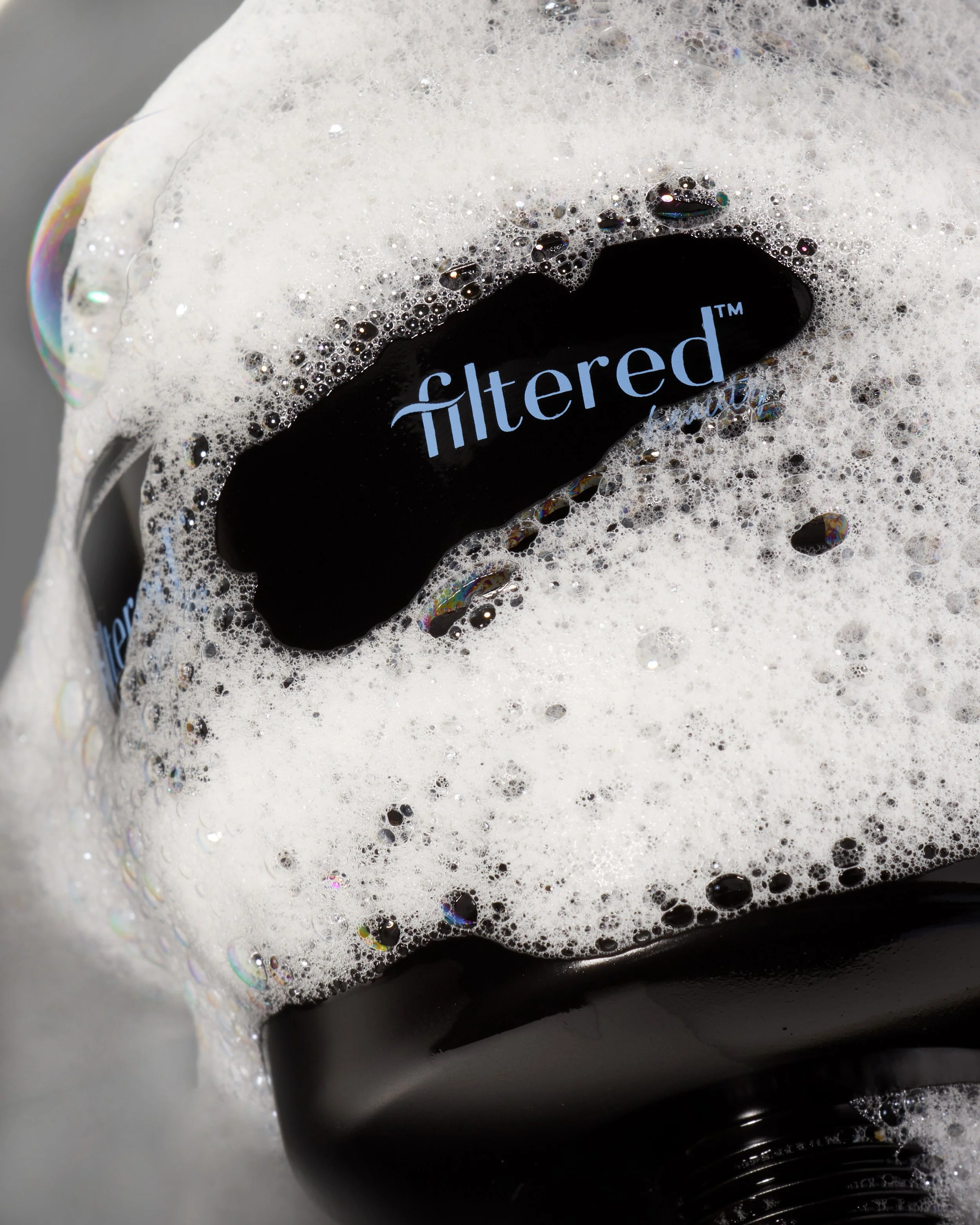
Why this is the art director's job, not the photographer's
A photographer's job is technical: light, composition, camera settings, getting the shot. Essential, but narrow.
An art director's job is strategic: deciding what the shot should be before it exists, and making sure every element in frame is working toward the same idea. It's closer to directing than to shooting, closer to writing than to lighting.
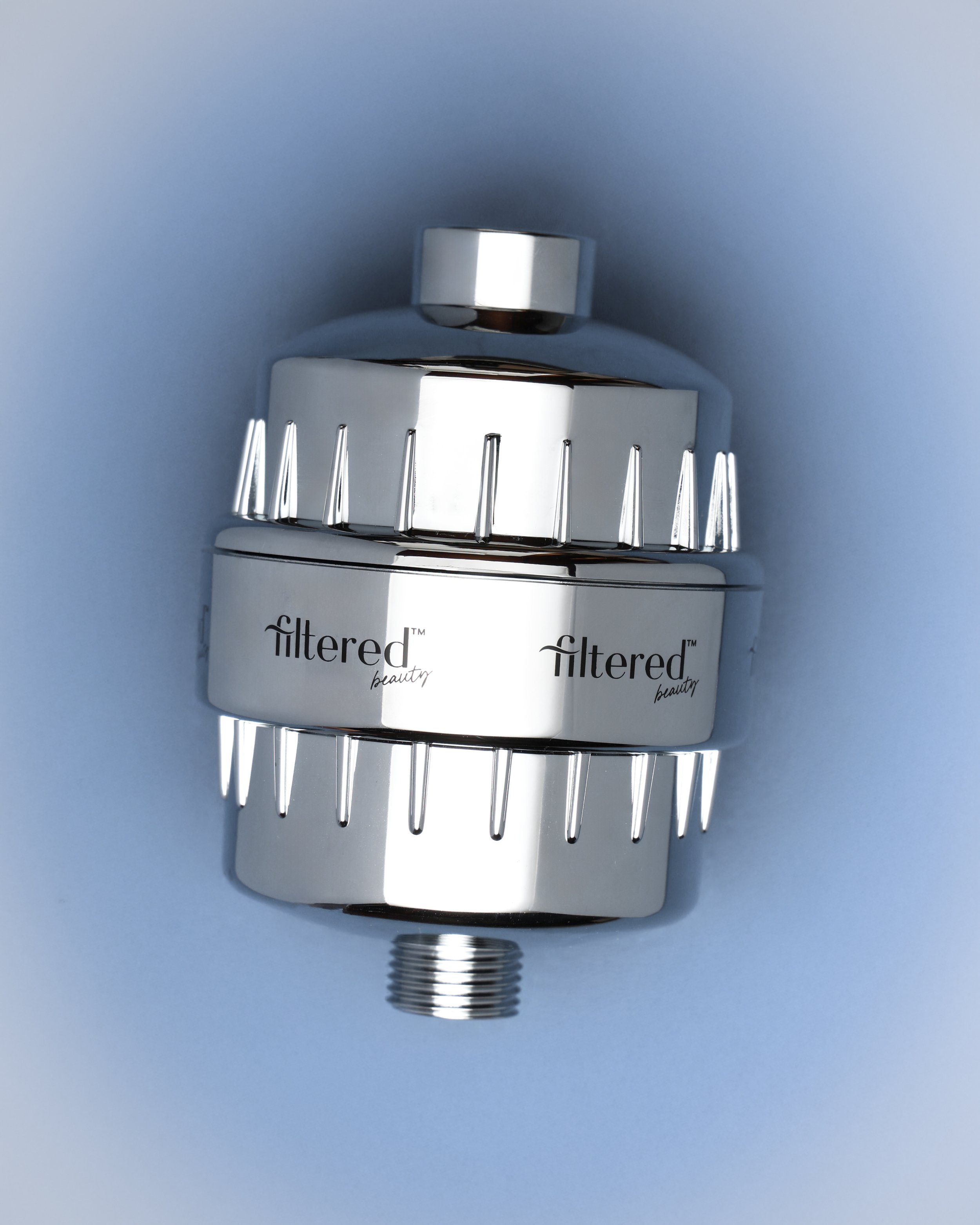
This is why the same product, styled and researched two different ways, can produce two completely different results, one forgettable, one that stops someone mid-scroll. The camera didn't change. The thinking behind it did.
When a studio offers art direction as part of the process, not an optional extra, you're not paying for more images. You're paying for someone who's done the thinking so the images actually say something, before a single frame is captured.
What this looks like on shoot day
By the time the shoot happens, the heavy lifting is already done. The set is built around a decided narrative, not assembled on the fly. Styling choices have a reason behind them. Every shot on the list exists because it serves the bigger story, not because "we should probably get one of these too."
This is also why a well-directed shoot day tends to feel calmer, not more chaotic. Fewer decisions are being made in real time, because the important ones were already made in research.
How this works at Sonique Studio
Every shoot I take on starts with research and narrative, not styling. Before we talk props or backgrounds, we talk about what the brand believes and what story this shoot needs to tell. Set design and styling come after, in service of that idea, never before it.
This is the difference between a shoot that produces pretty images and one that produces images that actually move someone, and it's the reason art direction sits at the centre of how I work, not as an add-on to photography, but as the thing that makes the photography worth having.
If you want a shoot that's built on a real idea rather than a list of nice-to-haves, get in touch and let's start with the research.